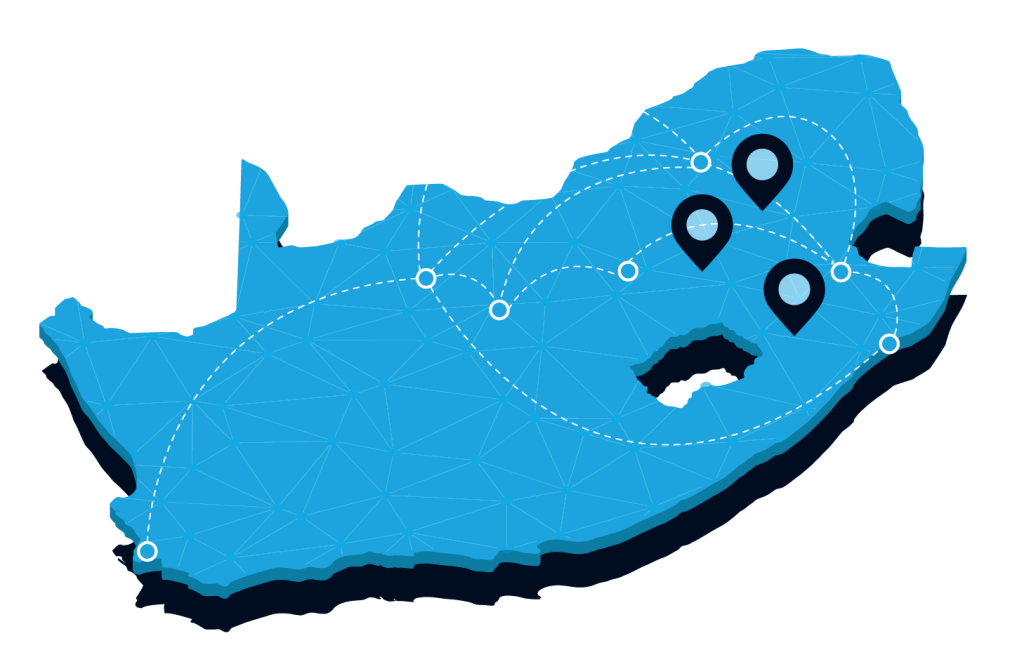
A Guide to Understanding Drone Laws in South Africa
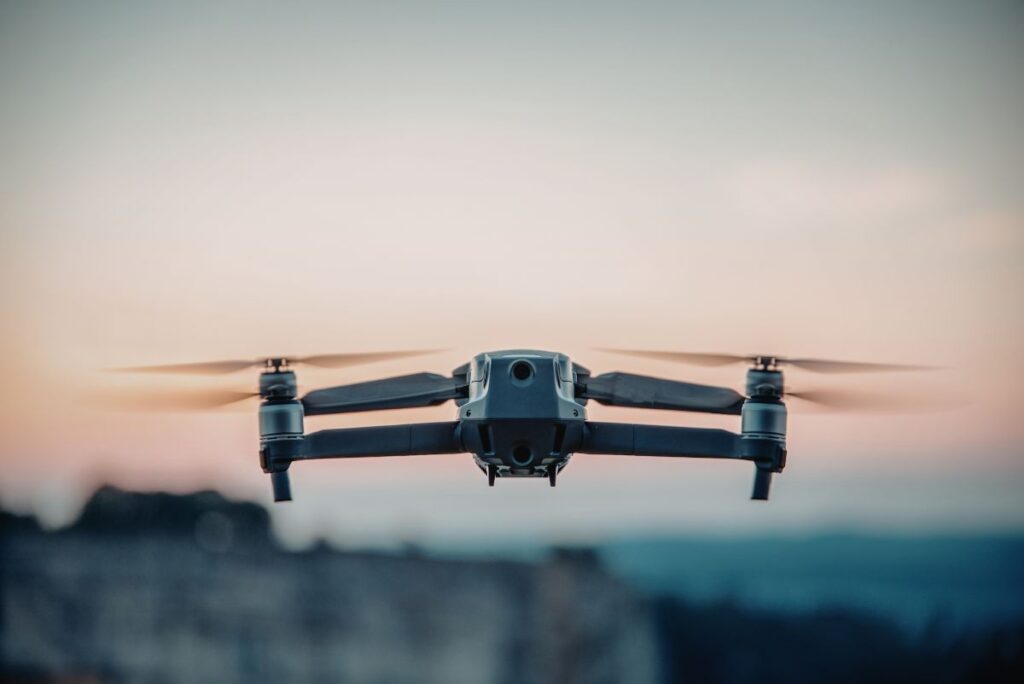
Drones are transforming industries across South Africa, from security surveillance to mining inspections, but operating them safely requires more than a technical skill. South Africa enforces strict regulations to protect airspace, property, and public safety, and failure to comply can result in heavy fines, criminal charges, or confiscation of equipment.
This guide explains the legal framework, operational restrictions, and compliance requirements under Part 101 of the Civil Aviation Regulations, helping hobbyists and professionals alike navigate the complex landscape of South African drone laws.
Who Regulates Drones in South Africa?
Drone flying laws in South Africa are regulated by the South African Civil Aviation Authority (SACAA), the national body responsible for overseeing civil aviation safety and airspace management.
Under South African law, drones are legally classified as Remotely Piloted Aircraft (RPA), meaning they are treated similarly to conventional aircraft and must comply with aviation safety standards.
The legal framework governing drone operations is contained in Part 101 of the Civil Aviation Regulations, which specifically addresses Unmanned Aircraft Systems (UAS). These regulations outline how drones may be operated, licensed, and integrated into South African airspace.
Importantly, the rules apply to recreational, corporate, and commercial drone operators, ensuring that all drone activity is conducted safely and within the country’s regulated aviation environment.
Basic Drone Flying Laws in South Africa
Understanding the basic drone flying laws South Africa enforces is essential for anyone operating a drone, whether for recreation or professional purposes. These operational rules are designed to ensure drones share airspace safely with manned aircraft while also protecting people and property on the ground.
Some of the most important operational rules include the following.
- Maximum altitude: Drones may not fly higher than 120 metres (400 feet) above ground level, unless approval is given by the director.
- Visual line of sight: The operator must always keep the drone within direct visual line of sight without relying on monitors or cameras, unless they have a BVLOS approval.
- Airport proximity: Drones may not be flown within 10 km of an airport or aerodrome unless special permission has been granted.
- Distance from people and property: Operators must maintain at least 50 metres from people, vehicles, buildings, or structures not under their control, unless they have approval to operate a drone in closer proximity.
- No flying over crowds: Drones may not fly over groups of people, public gatherings, or densely populated areas due to safety risks, unless approval has been given by the director or it is on the opspec.
Recreational vs Commercial Drone Laws in South Africa
Understanding the distinction between the recreational and commercial drone laws South Africa enforces is essential before operating a drone.
Recreational drone use generally refers to flying a drone purely for personal enjoyment, with no financial benefit involved. While these operators are not required to obtain formal aviation certification, they are still subject to strict operational limitations under South African regulations. Private drone operations must be conducted within restricted visual line of sight (R-VLOS), meaning the drone must remain within 500 metres of the operator and always be visible without the use of visual aids. Operators are also required to follow all standard safety rules, including avoiding restricted airspace and maintaining safe distances from people and property.
In contrast, commercial drone operations involve any drone activity conducted for business purposes, financial gain, or professional services.
Commercial drone operators typically need:
- Remote Pilot Certificate (RPC) issued through an approved training organisation
- Unmanned Aircraft Systems Operating Certificate (UASOC) issued by the SACAA
- Air Service Licence (ASL) from the relevant transport authority
- Aircraft registration with the SACAA

Laws About Drones Over Private Property
Understanding the laws about drones over private property is essential for responsible drone operation in South Africa. While drones are regulated primarily through aviation legislation by the South African Civil Aviation Authority (SACAA), operators must also consider privacy and property rights when flying near homes, businesses, or private land.
Under Part 101 of the Civil Aviation Regulations, drone pilots must maintain a safe distance from people, vehicles, and structures unless they have permission from those affected. In practice, this means operators must stay at least 50 metres away from individuals and buildings that are not directly involved in the flight operation. Unless, they have obtained written permission issued, in compliance with a Municipal by-law, by an authorised land user, property title holder, lease holder, servitude holder, site manager or supervisor, building or structure owner.
Flying directly over private property without permission can therefore create legal and privacy concerns. In residential areas especially, drones equipped with cameras may raise issues related to nuisance or surveillance, making it important for operators to plan flights carefully and respect the rights of property owners and occupants.
Drone Surveillance Law and Security Operations
Drones are increasingly used for monitoring, inspections, and security operations, but operators must comply with both aviation regulations and privacy legislation. While SACAA regulates drone operations, privacy considerations may fall under broader legislation such as the Protection of Personal Information Act (POPIA).
When drones are used for surveillance or security purposes, operators must consider several legal requirements:
- Compliance with aviation rules: All surveillance flights must still follow SACAA operational regulations.
- Respect for privacy: Capturing images, video, or data involving individuals may fall under POPIA, particularly if personal information is recorded.
- Restrictions around people and property: Operators should avoid flying directly over individuals or private property without permission.
- Authorised security use: Certain government bodies and authorised security operators may conduct surveillance under specific operational approvals.
These legal considerations are particularly important in sectors where drones law enforcement and security operations intersect.
No-Fly Zones and Restricted Areas
South Africa’s aviation regulations also define areas where drones cannot legally operate unless permission has been given. These restrictions are designed to protect aircraft operations, safeguard critical infrastructure, and reduce risks to the public.
Common no-fly zones include:
- Airports and aerodromes: Drones may not fly within 10 km of airports or airfields without special authorisation.
- National parks and protected areas: Drone use is generally prohibited without a permit due to wildlife and conservation concerns.
- Strategic infrastructure: This includes locations such as nuclear plants and key national installations.
- Government and security facilities: Areas around police stations, prisons, and courts may be restricted.
- Public gatherings: Flying over crowded events or crime scenes is not permitted for safety reasons.
Penalties for Breaking Drone Laws in South Africa
Failing to comply with drone laws South Africa enforces can lead to serious legal consequences for operators. Violations may result in both civil and criminal penalties.
Individuals who operate drones illegally, particularly in restricted airspace or for unauthorised commercial purposes, may face financial penalties of up to R50,000. In more serious cases, such as endangering aircraft or public safety, offenders may face criminal charges that carry potential imprisonment of up to 10 years.
Authorities also have the right to confiscate drones and related equipment used in unlawful operations. In addition, operators may be prohibited from conducting future drone activities if they repeatedly breach aviation regulations.
Professional Drone Services and Training in South Africa
For organisations that require professional drone operations, working with an experienced and compliant operator is essential. UDS is one of South Africa’s leading commercial drone operators, providing advanced aerial security, surveying, and inspection services across multiple industries.
As an UASOC holder and South African Civil Aviation Authority-approved training organisation, UDS offers comprehensive drone pilot training designed to equip operators with the knowledge and practical skills required to operate safely within South Africa’s regulatory framework.
With a highly experienced flight crew, a large operational drone fleet, and nationwide capabilities, UDS supports sectors ranging from mining and infrastructure to security and energy. Our operations prioritise safety, regulatory compliance, and real-time intelligence to support critical decision-making on the ground.
If you are looking to become a certified drone pilot or require professional aerial services, UDS provides the expertise and operational support needed to ensure compliant and effective drone operations.
GET IN TOUCH
CONTACT US