The Risk Management Identification Process in Aviation Security

Effective aviation security and risk management is essential for protecting passengers, personnel, infrastructure, and daily aviation operations. As security threats continue to evolve, aviation organisations must be able to identify risks early, implement effective security controls, and ensure employees are properly trained to respond to potential incidents.
This article explores the risk identification process in aviation security, the role of aviation and security training, and why continuous learning is essential for safer and more resilient aviation operations.
What Is Aviation Security Risk Management?
Aviation security and risk management refers to the strategies, procedures, and operational controls used to maintain secure aviation environments and support safe day-to-day operations.
It involves managing potential security risks that could affect passengers, personnel, cargo, aircraft, and airport infrastructure while ensuring compliance with aviation regulations and industry standards.
Effective aviation security management also helps organisations maintain operational continuity, minimise disruptions, and protect public confidence in air travel.
Because aviation environments are highly regulated and operationally complex, organisations require clear policies, coordinated security procedures, and ongoing oversight to ensure aviation safety and security remain consistent across all areas of operation.
Why Risk Identification Matters
In aviation environments, failing to identify security risks early can lead to operational disruptions, regulatory penalties, financial losses, and reputational damage. Even minor security failures may affect passenger confidence, delay operations, or compromise restricted areas and critical infrastructure.
Early risk identification allows aviation organisations to address vulnerabilities before they escalate into larger incidents, helping maintain safer and more efficient operations.
Common aviation security threats include:
- Unauthorised access to restricted areas
- Dangerous goods or prohibited items
- Insider threats involving staff or contractors
- Cargo tampering and theft
- Cybersecurity risks affecting operational systems
- Passenger-related incidents and suspicious behaviour
Proactive risk identification supports stronger operational resilience and improved aviation safety and security outcomes.
The Risk Management Identification Process in Aviation Security
A structured process helps aviation organisations manage security risks consistently and effectively across operational environments.
1. Identifying Potential Threats
Airports and aviation operators review operational activities, access points, cargo handling areas, and screening checkpoints to detect vulnerabilities and suspicious activity that may compromise security operations.
2. Assessing Vulnerabilities and Impact
Once risks are identified, organisations evaluate how likely they are to occur and the level of disruption they could cause to operations, compliance, safety, and business continuity.
3. Implementing Security Controls
Control measures may include access control systems, passenger and baggage screening, surveillance technology, staff verification procedures, and emergency response protocols designed to reduce exposure to security risks.
4. Ongoing Monitoring and Reporting
Security procedures require continuous review, incident reporting, and operational monitoring to ensure organisations can adapt to changing threats and maintain effective protective measures.
How Aviation Security Training Supports Risk Identification
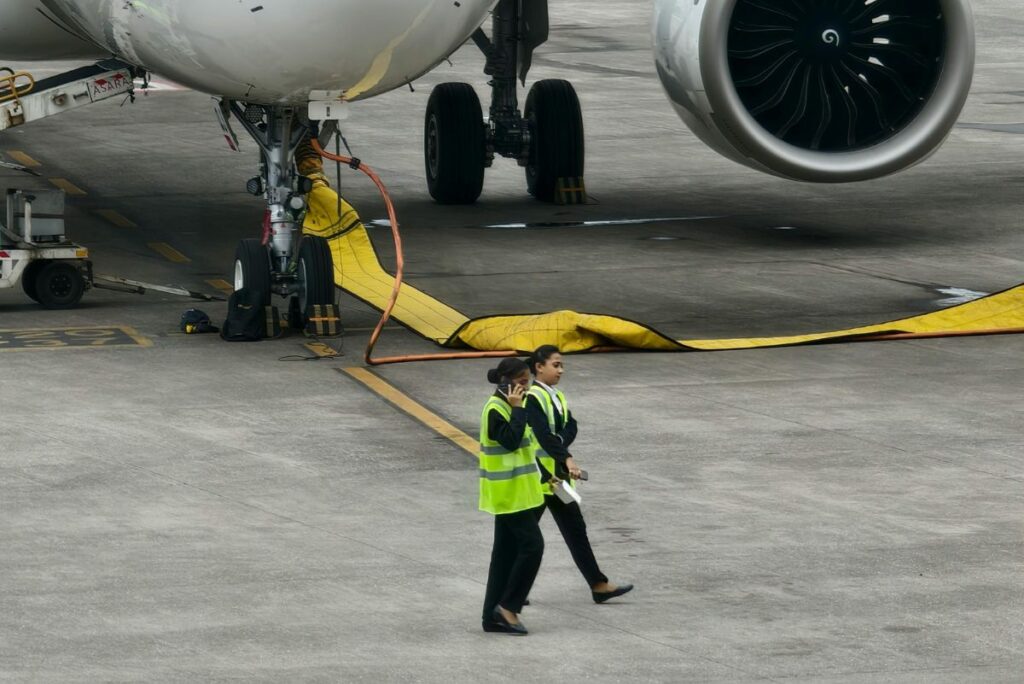
Strong aviation security relies not only on systems and procedures, but also on the people responsible for applying them correctly every day.
- Building security awareness across teams: Proper training improves employee awareness, helping personnel recognise unusual behaviour, procedural weaknesses, and operational concerns more confidently and consistently.
- Improving compliance and operational readiness: Aviation security training in South Africa should align with SACAA regulations and industry standards. Training helps employees understand responsibilities relating to access control, cargo handling, passenger security, emergency procedures, and incident reporting.
- Strengthening aviation security screening procedures: Well-trained personnel support more effective aviation security screening processes, clearer communication, and faster escalation of potential concerns, creating a stronger culture of accountability and preparedness.
Why Aviation Organisations Need Continuous Training
The aviation industry continues to evolve as new technologies, operational processes, and security threats emerge. Continuous training helps organisations keep employees informed about changing regulations, updated security procedures, and current industry best practices.
Refresher programmes also help maintain consistency across teams operating within restricted areas, screening checkpoints, cargo facilities, and other sensitive environments.
Ongoing aviation and security training ensures personnel remain confident in their responsibilities and prepared to respond appropriately during security incidents or operational disruptions.
By investing in continuous learning, aviation organisations strengthen long-term operational resilience, improve regulatory compliance, and maintain high aviation safety and security standards across all areas of operation.
Train with UDS Aviation Security (AVSEC) General Course
UDS’s Aviation Security (AVSEC) General course is a mandatory training programme designed to provide aviation personnel with foundational aviation security knowledge and practical risk awareness.
The course equips employees with the skills needed to support effective aviation security and risk management in line with SACAA regulations.
Key topics covered include:
- Aviation security threats
- SACAA regulatory compliance
- Access control
- Passenger and baggage security
- Cargo screening
- Behavioural awareness
- Emergency response procedures
The course helps organisations strengthen aviation security management while supporting compliance with South African Civil Aviation Regulations. Employees who complete the training are better prepared to identify, report, and respond to potential threats.
Explore UDS’s Aviation Security (AVSEC) General course today and equip your team with essential aviation security skills.
GET IN TOUCH
CONTACT US